General News
31 March, 2026
Chamber survey reveals fuel shortage fallout
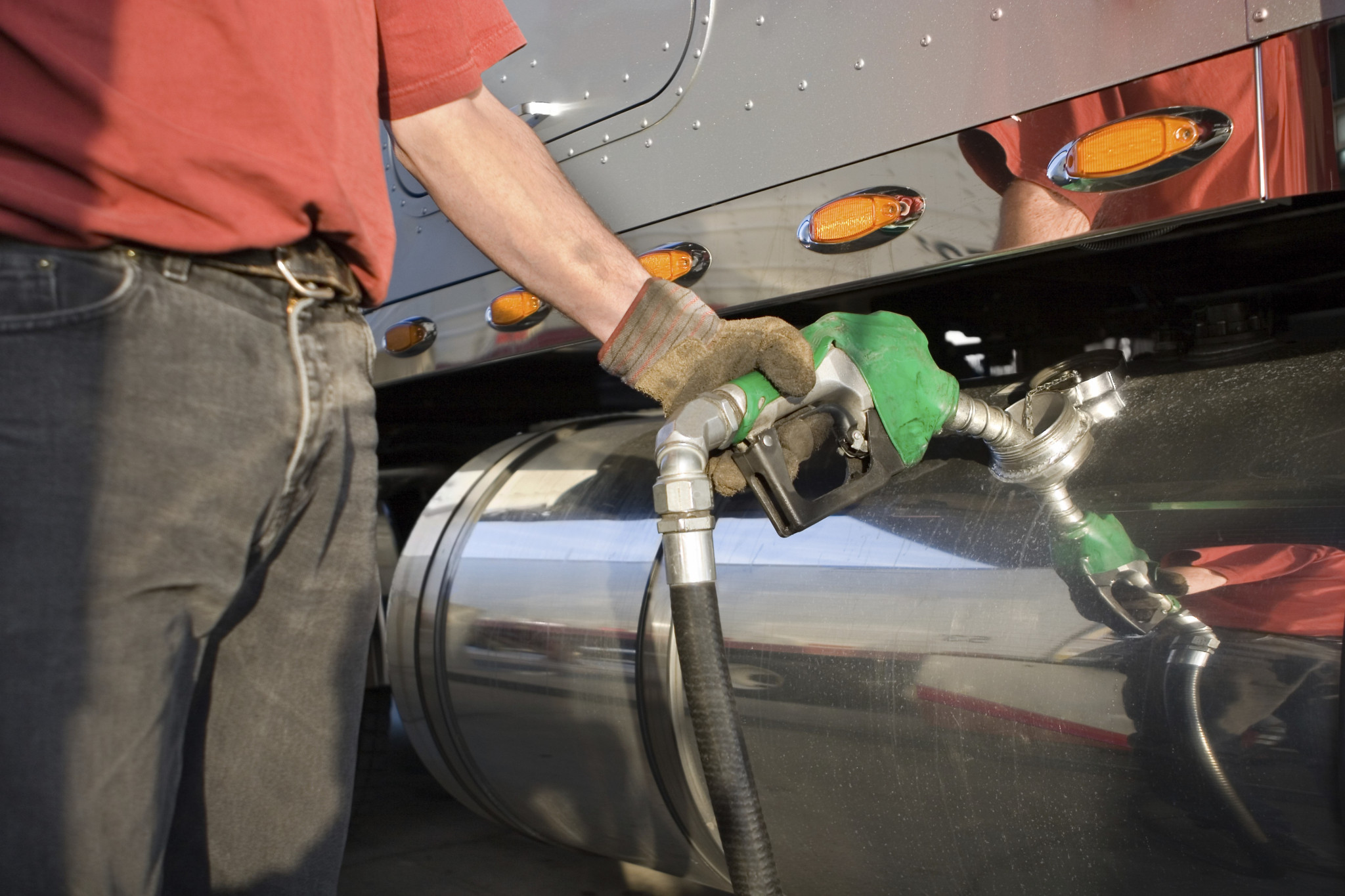
AMID increasing grave concerns regarding fuel supply to regional and remote areas and ever rising prices, Mareeba Chamber of Commerce has sought feedback as to how the current crisis is affecting local industry.
Mareeba Chamber president Joe Moro said the information would aid in any discussions the organisation would have with government and industry groups.
He said the chamber survey confirmed that for the civil construction sector, supply was more critical than price, representing 9% of running costs, so increases could not be absorbed.
“Generally, there is approximately one week’s supply of fuel in the transport tank and then operators are at the mercy of the supplier.
“In building and construction, businesses with a fuel tax levy are now applying costs to their invoices, and operators are finding the current fuel situation challenging.
“With quotes already supplied, operators are now struck with a 2.5% to 5% fuel tax levy so how do you pass on to customers who have already been quoted,” he added.
The survey revealed that disability and community services operators were unable to transport persons with mobility issues who relied on wheelchair accessible vehicles and/or who were unable to access public transport, affecting day-to-day errands including grocery shopping, attending medical appointments and social meetings.
“Operators are not recovering the costs of running the vehicles due to the current high cost of fuel,” Mr Moro said.
“This creates an immediate impact to quotes, as the extra cost of offering these services are non-recoverable.”
Mareeba Shire Council discussed the fuel issues at length at its latest meeting, confirming great concern and widespread impacts should the fuel supply and rising costs continue or worsen.
The chamber’s survey indicated allocation and regular supply issues were presenting immediate effects and challenges in manufacturing and mining, with operators taking what fuel was allocated to them and going on backorder for the remaining fuel.
Some fuel distributors have informed clients that they had an additional 50 customers requesting large amounts of fuel for delivery, making it harder to access fuel when regularly required, along with restrictions on the amount operators could purchase due to the high number of orders.
Operators also need to pre-order fuel in advance to have allocations approved and to ensure next delivery is received in the required timeframe.
Primary production sector responses on a crop-by-crop basis revealed sugarcane producers are facing:
Increase fuel costs which has made some sugarcane growers hesitant to cut cane as it will be very expensive, and the sugar price is at its lowest point for the past four to five years.
Continuous rising fuel costs and supply which will initially impact in May-June but will further impact through the cutting season between June-November.
Rising fertiliser costs and supply impacts around July-August initially, then October-November. If supply is difficult to source, it will have an impact for next year on planting, mill viability, cash flow, machinery maintenance and an ability to pay bills on time, causing a flow-on effect for local business.
Survey responses indicated no short-term inconvenience for lychee growers, with post-harvest fertilising already completed on most farms and crop spraying being done as usual. Most producers had adequate storage for the short term.
Unreliable fuel supply and rising costs will prevent citrus and coffee producers from being able to harvest, as the fuel shortage will severely impact the use of tractors.
Transport prices for both coffee and citrus produce are going up but not the return for the produce. Most fertiliser outlets in Mareeba are only keeping minimal stock, with additional transport costs to be added onto anything that is ordered now.
An avocado, mango, citrus and packing facility advised the survey that the current unreliable regular supply of fuel, and current and future increased fuel prices would have a direct and immediate economical impact on primary producers, as would panic buying, shortage of supply, price gouging and quality over the next 12-15 months.
Planting, harvest cutbacks
AUSTRALIAN vegetable growers are reducing plantings and opting not to harvest existing crops as surges in the costs of critical farm inputs and supply uncertainty threaten access to domestically grown fresh vegetables.
The findings from a snap AUSVEG survey of 150 growers and counting last week revealed that 27% of growers had reduced or stopped planting schedules due to severe operating uncertainty flowing from the impacts of the Middle East conflict.
A further 13% were considering their options.
Growers opting to reduce planting have done so by an average of 30%, while 19% had decided not to harvest existing crops due to unviable returns based on production and distribution cost increases or, in some cases, inability to access logistics to deliver produce to towns and cities across the country.