On The Land
22 February, 2026
Less talk, more action wanted on biofuels
QUEENSLAND’S sugarcane growers have delivered the final word at the Inquiry into Sugarcane Biofuels Opportunities, calling for the State Government to take action to unlock the industry’s potential.
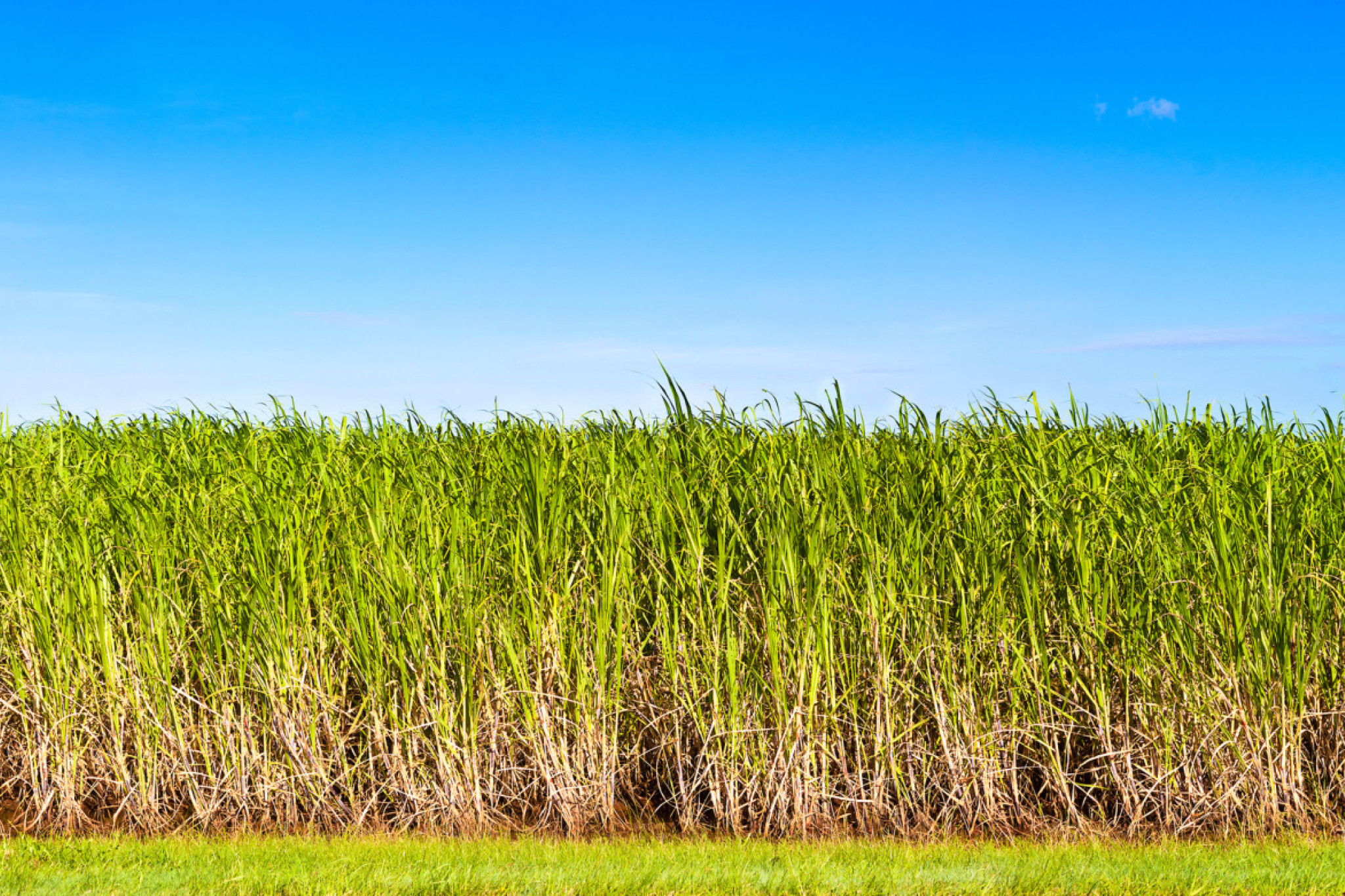
The Canegrowers organisation, which was speaking on behalf of its almost 3,000 members, closed the inquiry’s final public hearing in Brisbane last week, made it clear producers wanted action.
“Queensland’s cane growers have been listening to people talk about biofuels for years,” Canegrowers chief executive officer Dan Galligan said.
“They’re ready for real action. Growers already produce the feedstock, the supply chains exist, and the opportunity is sitting right in front of us.
“What’s been missing is the policy certainty and investment needed to turn potential into reality.”
Mr Galligan said one of the most immediate opportunities raised at the hearing was supporting mill upgrades to unlock the sugar industry’s full co-generation capacity.
“The sugar industry already generates renewable energy. With the right support to upgrade mill infrastructure, co-generation can play a much bigger role in producing reliable, low-emissions electricity for Queensland,” he said.
“That’s good for the grid, good for regional communities and good for meeting our emissions targets.”
Mr Galligan said government support must also extend to the growers who underpinned the system.
“If governments want a greener, more sustainable future, they need to back the primary producers who help deliver it,” he said.
“That means lowering electricity and water costs for growers, protecting prime agricultural land needed to produce feedstock, and giving industry the confidence to invest for the long term.”
At the hearing, Canegrowers called on the Queensland Government to unlock the industry’s potential by:
Backing investment in biofuels and co-generation, including funding support for mill upgrades;
Working with the milling sector to maximise renewable electricity generation through co-generation;
Reducing electricity and water costs for primary producers contributing to a lower-emissions future;
Protecting prime agricultural land needed to sustainably grow biofuel feedstocks; and
Working with industry and the Federal Government to implement real mandates for low-carbon biofuels and develop a clear feedstock strategy.
“This is about turning talk into outcomes – for growers, for regional Queensland and for the state’s energy future,” Mr Galligan said.
“We’re ready to get on with it. Now it’s time for government to do the same.”