On The Land
25 January, 2026
Market conditions favourable for exports
EXPORT market demand supported elevated prices for Australian lamb, mutton and beef through much of 2025, with favourable market conditions expected to continue into the new year, according to agribusiness banking specialist Rabobank.
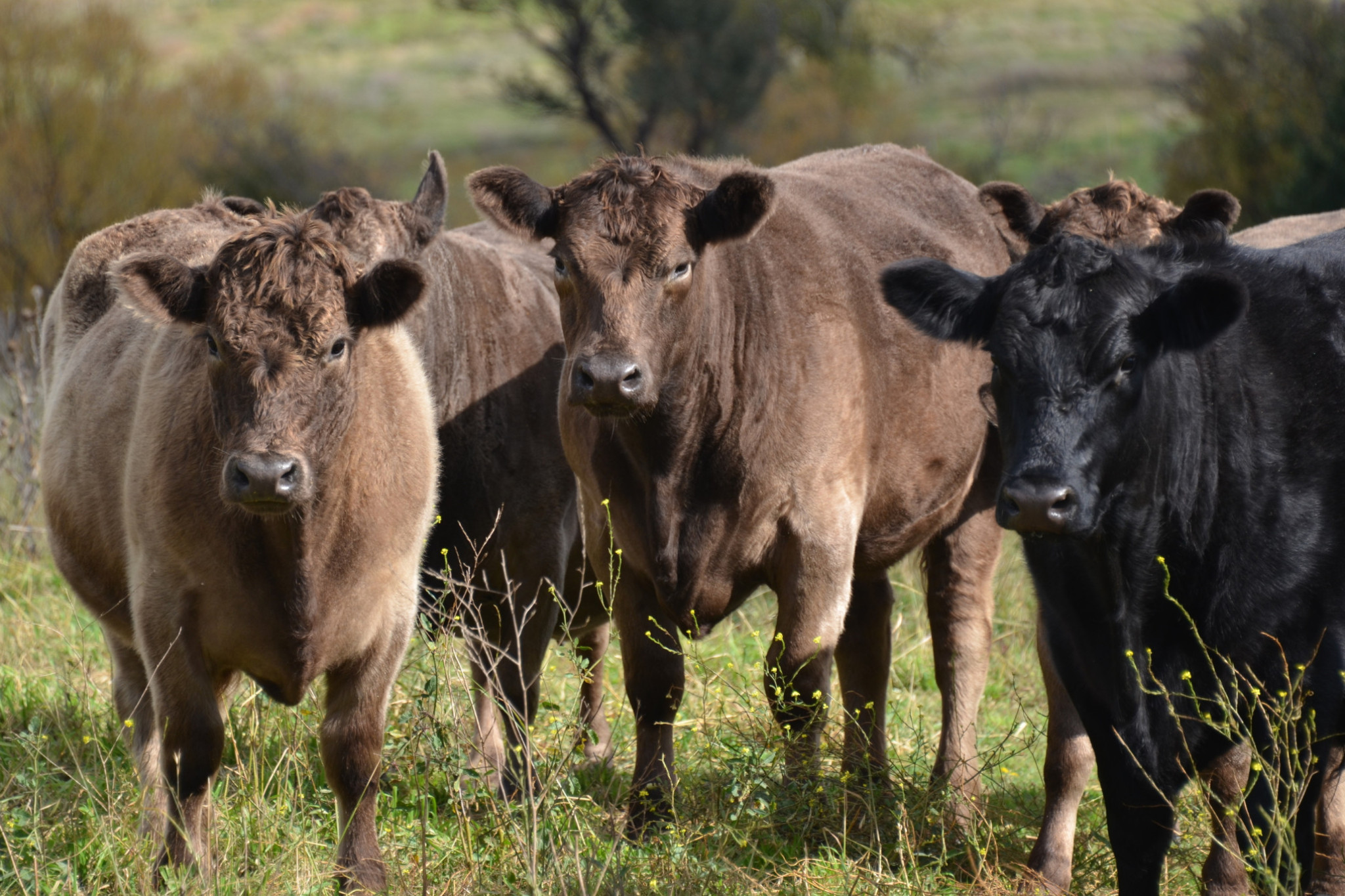
In its Global animal protein outlook 2026, the bank’s RaboResearch division says high cattle inventories will maintain elevated Australian beef production, while sheepmeat production takes time to recover.
Report co-author, RaboResearch senior animal proteins analyst Angus Gidley-Baird said successive favourable seasons have allowed Australia’s cattle breeding inventory to build, and cattle were now flowing through to markets.
“Even southern areas – which experienced dry conditions throughout 2024 and into 2025 and offloaded stock at the time – are likely to have seen production levels recover in the second half of 2025,” he said.
“As such, 2025 production is projected to reach 2.86 million tonnes, up 11% year-on-year and a new record.”
Mr Gidley-Baird said he anticipates beef production in 2026 to “remain steady at historically-high levels, reaching 2.85 million tonnes – the second highest production volume in Australia’s history”.
“Substantial production volumes will translate to ongoing elevated export volumes, with the US likely to remain the key market, accounting for 29% of total Australian beef exports in 2025,” he said.
“South Korea (which accounted for 15% share of Australian beef exports in 2025) and Japan (16%) will remain important markets.”
But in January, China Ministry of Commerce imposed a series of Safeguard limits on major beef exporters for the next three years. This followed an investigation into imported beef’s impact on the domestic Chinese beef industry.
The country’s total beef import quota for 2026 for countries covered under its new safeguard measures will be 2.7 million tonnes, which is in line with what was imported in 2024.
Australia and China signed a free trade agreement in 2015 which was aimed at tariffs to gradually disappear over nine years. But under the terms of the announcement made by China earlier this month, Australia will this year be subjected to 55% tariffs on beef exported in excess of around 205,000 tonnes, representing about 75% of the 2025 total exported volume.
However, with sizable volumes of beef in the market, Mr Gidley-Baird believes cattle prices in 2026 will depend on producer sentiment and seasonal conditions.
“We believe that cattle prices will remain close to current levels, with some potential upside given the strong US market, and that the National Young Cattle Indicator will sit around AUD 4.30 to AUD 4.80/kg,” he said.
“However, if seasonal conditions deteriorate and producers lose confidence, high cattle inventories and increased slaughter numbers will see prices contract,” he said.
According to the RaboResearch outlook, the global animal protein industry is set to experience a slowdown in production growth in 2026.
Seafood and poultry will lead growth, while pork and beef production will contract. The sector faces challenges from disease outbreaks, trade disruptions and sustainability pressures, requiring strategic adaptation and technological integration from industry players.
RaboResearch global strategist animal protein Éva Gocsik said globally, while the bank expected feed costs to remain steady, a combination of lower protein supplies, rising volatility and trade costs and disease pressure will weigh on margins.
“Processors (in regions where supplies are limited) may face ongoing challenges around capacity utilisation, as well as trade disruptions resulting from tariffs and other protectionist measures,” she said.
“All of this could raise costs, pressure demand and ultimately squeeze margins. In both mature and developing markets, a focus on increasing efficiency and productivity will be critical at the farm and processor level,” she said.
Despite disruptions, the Rabobank report said animal protein trade has shown resilience, with strategic front-loading, like shipments of Brazilian beef into the US, helping to sustain volumes amid volatility and shifting tariffs that are reshaping global flows.
Meanwhile, supply-demand imbalances continue to seek equilibrium, a trend that is likely to persist in 2026. Geopolitical tensions and evolving policies will continue to influence trade, but new trade agreements may provide a boost.
Global disease outbreaks have also disrupted trade, squeezed margins and pressured productivity in the animal proteins sectors, the report said.
Disease outbreaks such as African swine fever and avian influenza continue to disrupt trade and squeeze margins, RaboResearch said.
“Combined with emerging diseases like New World screwworm and Bluetongue, these challenges are driving greater adoption of biosecurity measures and increased focus on new approaches to managing disease pressure, though implementation remains complex,” it said.
In an uncertain operating environment, sustainability-related risks linked to climate and nature are increasingly critical, the outlook said.
Regulatory momentum is pushing sustainability to the forefront of strategic planning for animal protein companies, it said.
The report said technology, particularly artificial intelligence, offers potential benefits for managing operational risks and advancing sustainability goals, though investment remains weak.
“While not all AI applications will transform the industry, strategic integration into existing workflows could spark meaningful progress in a sector that is traditionally slow to adopt new technologies,” it said.
“Maintaining consumer trust is paramount. In times of heightened risk, consumers continue to prioritise animal welfare, supply availability, price, food safety and quality, and these demands are driving advancements in transparency and traceability,” Ms Gocsik said.