On The Land
24 April, 2026
Pilot program strengthens local food supply chain
A PILOT program aimed at making it easier for small to medium-scale farmers to sell their products locally has been funded until the end of the year.
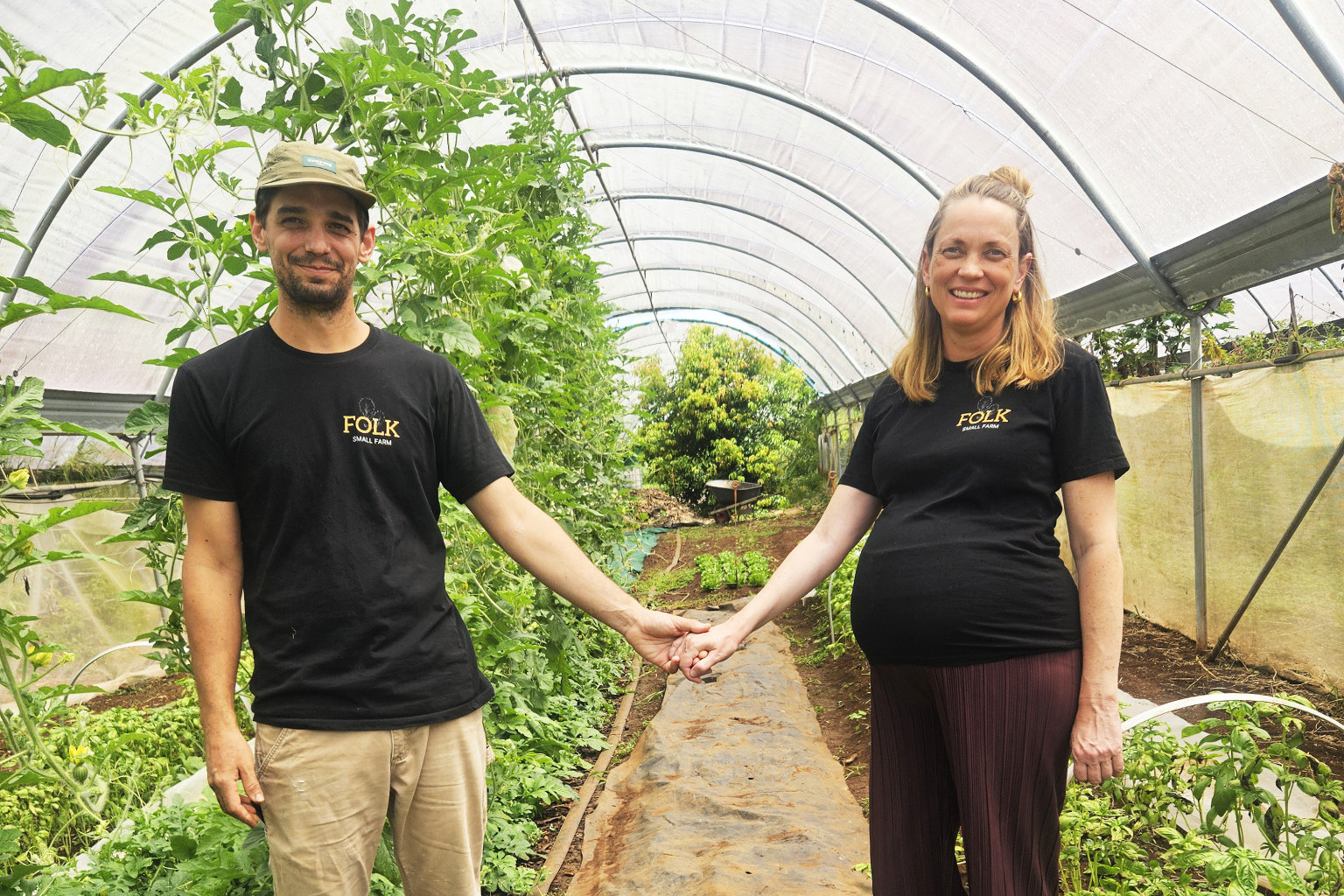
The Collaborative Logistics Pilot was launched in September last year as part of the Atherton Tablelands Integrated Collaboration (ATIC) managed by Sustainable Table.
It is assisting growers to get their food onto the plates of local eaters and is aiming to be an alternative to sending the region’s produce south to major markets, which is sent back and sold in the Far North at a higher cost and with many more food miles.
The pilot is testing how collaborative distribution can strengthen local food supply chains by connecting growers, retailers and hospitality businesses through shared delivery runs between the Tablelands and the coast.
The pilot forms part of ATIC’s broader effort to support regenerative farming across the Atherton Tablelands while improving water quality flowing to the Great Barrier Reef. By strengthening local markets and shortening supply chains, the pilot helps create viable pathways for farmers transitioning to regenerative practices.
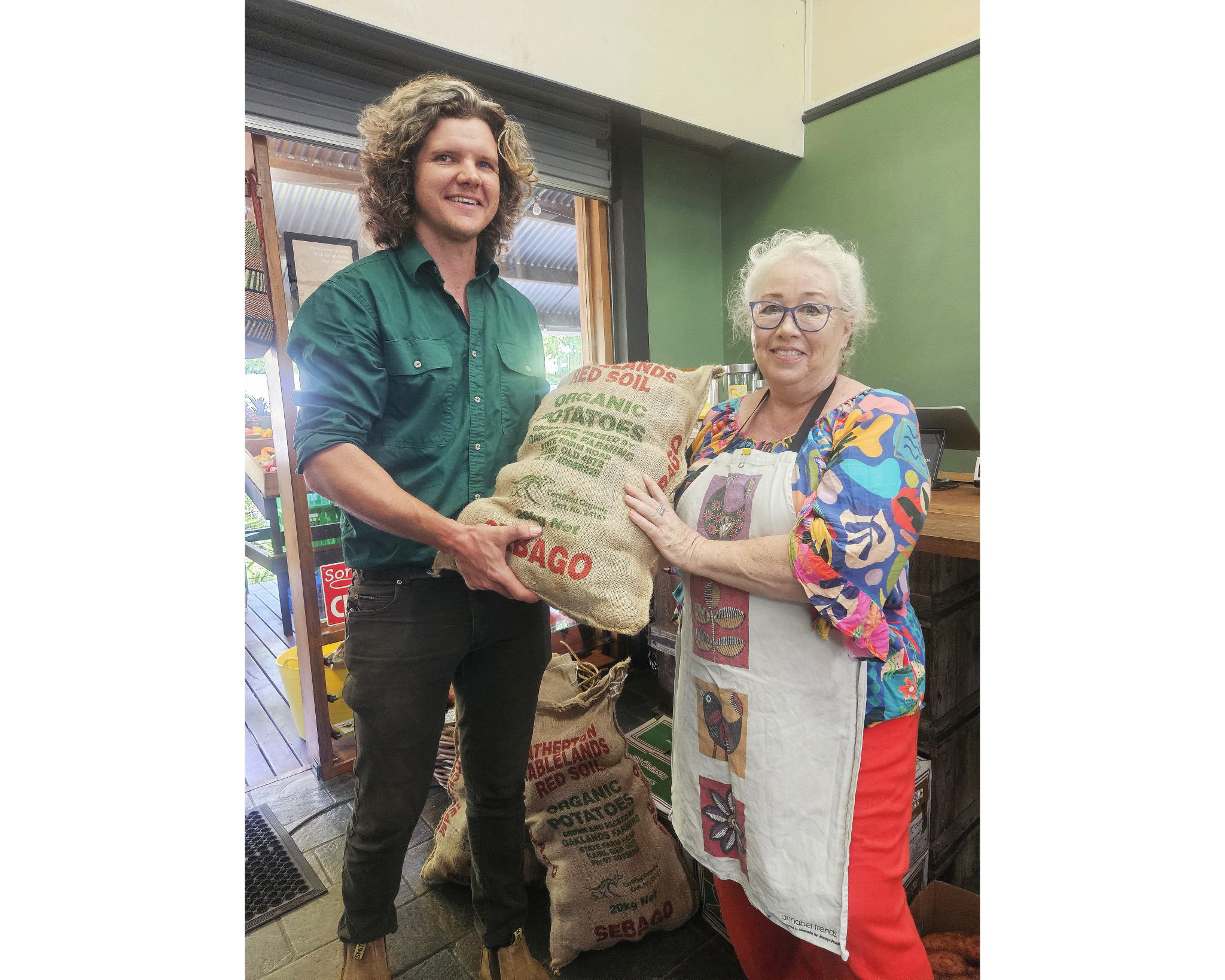
According to the organisation, logistics can be one of the biggest barriers for growers trying to reach buyers. The pilot builds on existing delivery routes, infrastructure and relationships, helping move organic and regeneratively grown produce from farms on the Tablelands to retailers and hospitality businesses across the region each Monday, Wednesday, and Friday.
Activity through the pilot followed familiar seasonal patterns. In the lead-up to Christmas, demand increased as hospitality venues and retailers prepared for the festive season, resulting in higher volumes of produce moving through the collaborative runs.
As the wet season intensified in January and February, activity slowed. Fewer crops are typically available during the monsoon months, and hospitality demand drops after the busy holiday period.
During this time, a smaller range of produce moved through the system, reflecting seasonal growing conditions. Retail demand remained relatively steady through early 2026, with local stores continuing to source Tablelands produce available through the network.
Golden Oak Produce, whose refrigerated delivery runs form part of the logistics network, has been closely involved in the pilot.
“The pilot is working – the demand is there. Now we just need to scale it so it can sustain itself,” Golden Oak Produce driver Tom O’Connor said.
“During the next stage, the project will continue testing Open Food Network software to support ordering and coordination between growers and buyers.
“The ATIC team is also exploring an additional hub location to complement the growers’ cold room hosted by the Atherton Food Co-op.
“The pilot is currently operating below its potential capacity, leaving room for more growers to join.”
Farmers, retailers and hospitality venues interested in participating in the collaborative network can contact Belinda Moore at belinda@sustainabletable.org.au for more information.
The $3 million Atherton Tablelands Integrated Collaboration (ATIC) is jointly funded through the Queensland Government’s Queensland Reef Water Quality Program and Sustainable Table.