General News
2 June, 2026
$3b cost for new coastal route
AN independent analysis on six alternate access roads from the Tablelands to the coast has been released, showing that the estimated cost of providing another route would be more than $3 billion.
Regional Development Australia (RDA) Tropical North has published the document to stimulate public discussion on a solution to improve connectivity between the coast and the west.
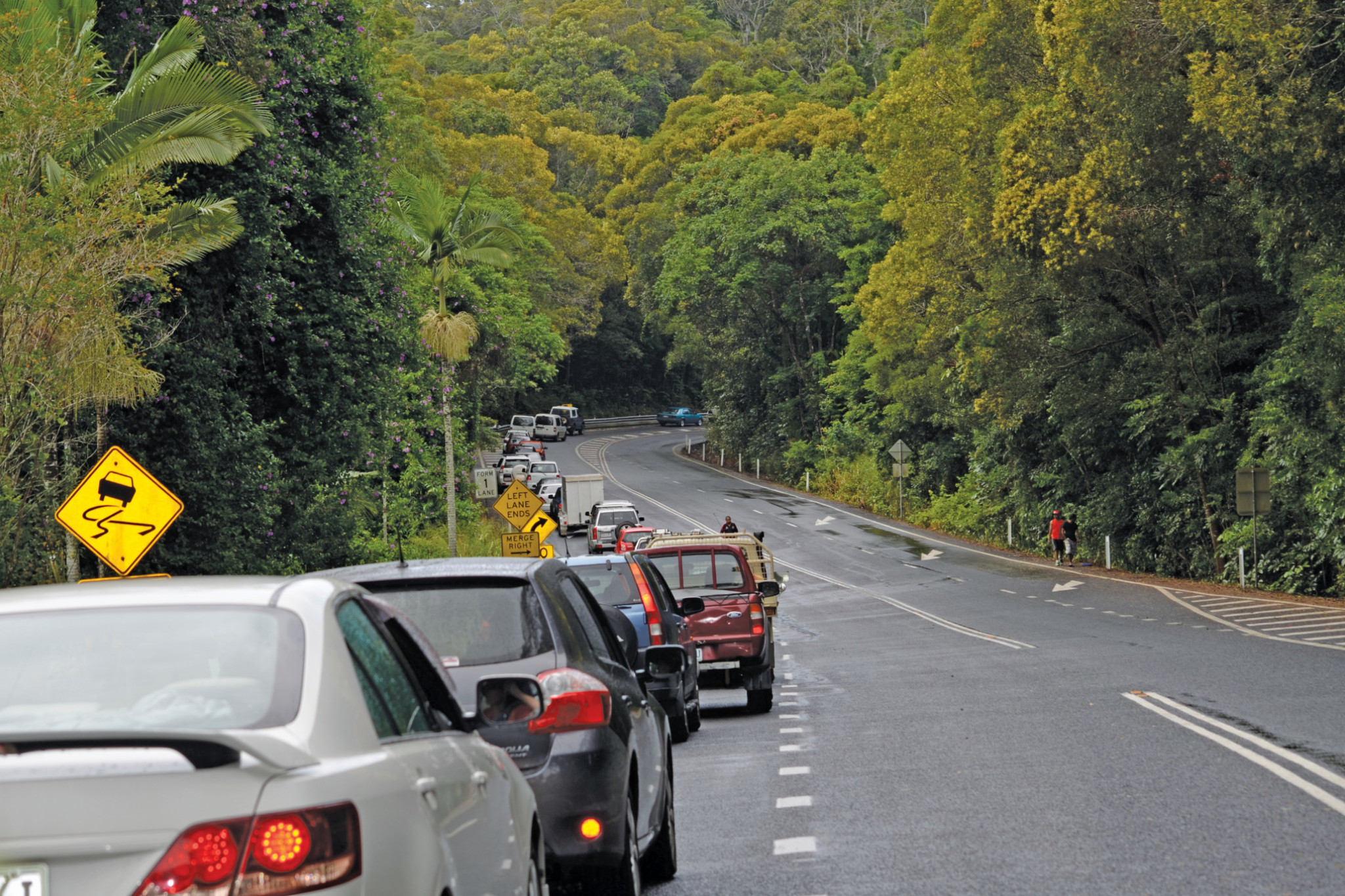
RDA Tropical North Chair Professor Hurriyet Babacan said the Kuranda Range Road provided critical access between Cairns, the Atherton Tablelands and broader region for residents, visitors and industry, especially agriculture.
“RDA Tropical North has undertaken a technical analysis of the access options between Cairns and the Atherton Tablelands to provide an independent factual appraisal of all potential routes,” she said.
The route options are:
Quaid Road
Kuranda Range Road
Saddle Route
Smith’s Surface Route
Reddicliffe Route
Katter’s Bridle Tunnel and Surface Route
“RDA Tropical North is not recommending a preferred option, instead we want to provide a technical foundation to enable the affected communities, industries and governments to make an informed decision on which route is feasible,” Professor Babacan said.
“Historic studies have been reviewed and show there are existing challenges with all routes traversing the Wet Tropics World Heritage Area, meaning significant environmental, geotechnical and approval challenges apply regardless of alignment.
“Constraints in reliable access will impede regional growth, however, this long-standing and complex issue does not have a simple solution.
“While capacity modelling suggests the Kuranda Range Road can operate to 2050 and beyond under normal conditions, the major issue is reliability with closures due to landslips, tree falls and crashes frequently impacting commuters, freight and emergency access.
“Alternate shorter routes could provide economic benefits but would come at high environmental and financial cost.
“Historic estimates for an alternate route have risen from $300 million in 2001 to more than $3 billion in 2014.
“Any new corridor would likely take 10 to 20 years to investigate, approve and construct which means incremental upgrades to the existing road will be a continued requirement in the short to medium term.”
Options for the Kuranda Range Road upgrades include intelligent real-time traffic management, slope stabilisation to improve reliability, and continued investigation of widening, curve alignment and overtaking lanes to accommodate large freight vehicles.
“The publication acknowledges that incremental widening of the Kuranda Range Road may have more significant environmental impacts than a newer route without significant slope stabilisation work,” Professor Babacan said.
“All surface routes will impact environmental values, with tunnel options reducing surface environmental impacts, but presenting high cost and operational challenges.
“All options involve significant trade-offs between cost, environment, freight efficiency and community impact and need informed decisions to be made by all stakeholders.”